Articles and Blog

The Science behind Curing a Surface Coating for Tanks

Paintings and Coatings, Temporary Climate Solutions

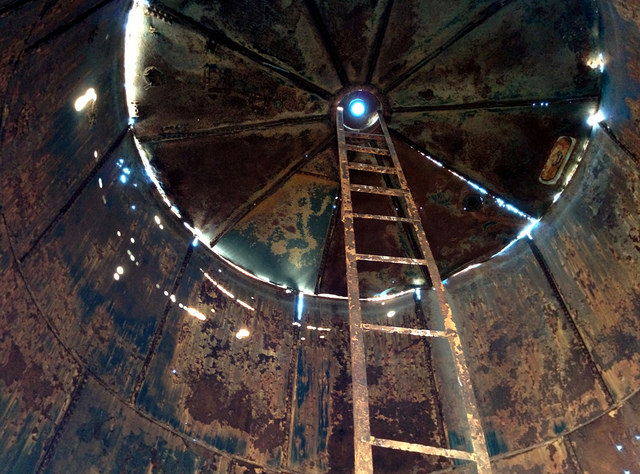
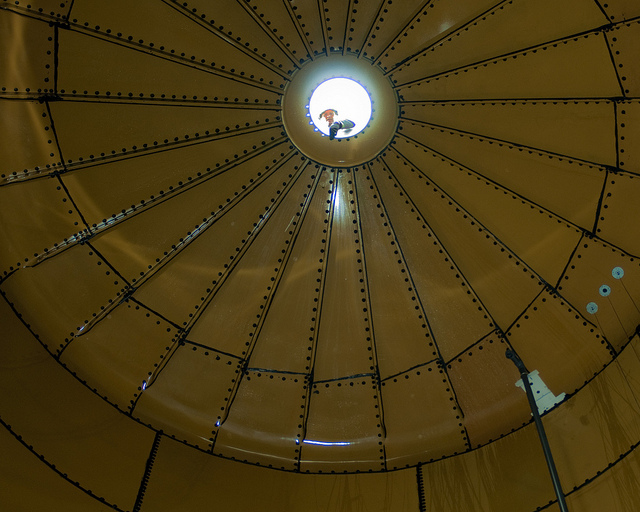
While some use the terms interchangeably, drying and curing are not the same. The two are distinct processes. Drying refers to the removal of water or a solvent by means of evaporation so that the final product is solid. Curing is a chemical process in which a polymer material toughens or hardens. Drying and curing happen simultaneously in several applications, like after the application of a protective surface coating on tanks. By knowing the science behind curing for surface coating applications, you’ll gain a greater understanding of how to optimize a tank surface’s ambient conditions.

Read

Controlling a Tank’s Surface Temperature during Surface Coating Preparation

Paintings and Coatings, Temporary Climate Solutions

Part of ensuring the successful application of a surface coating is preparing the substrate properly and maintaining ideal ambient conditions. Surface temperatures, however, often stay out of the spotlight, despite their vital role. Tank surfaces that require protective coatings are made of materials that respond to their surrounding environments. The best way to ensure that surfaces act predictably and maintain ideal temperatures is by using temporary climate control equipment.

Read

Signs That Your Archive Storage Environment is Sub-Optimal

Document Recovery, Temporary Climate Solutions

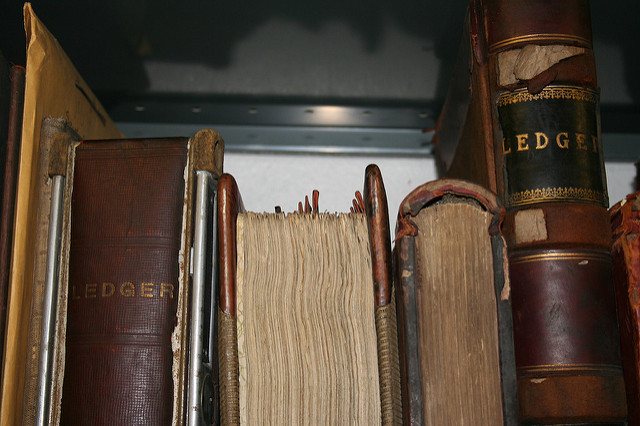
An archive storage environment requires optimal conditions to preserve its stored artifacts. Otherwise, items degrade and might be vulnerable to mold damage, depending on the temperature and relative humidity levels. By knowing the signs of a poorly regulated archive storage environment, you can take quick action to remedy the situation and prevent costly damage.

Read

Is Your Archive Environment Attracting Insects?

Document Recovery, Temporary Climate Solutions

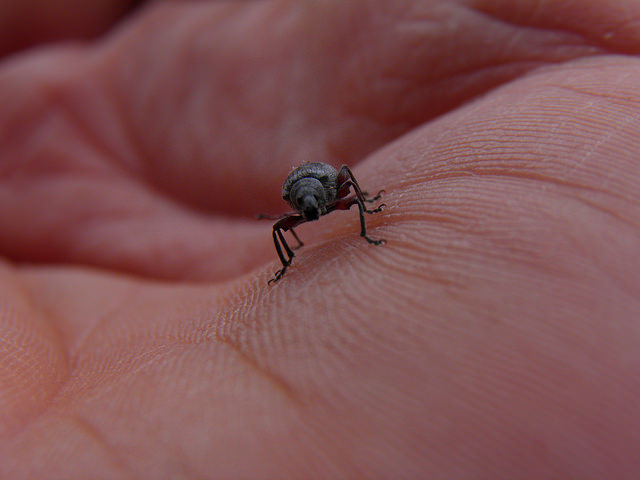
Libraries and archival collections create the ideal conditions for pests when there is a lack of integrated pest management, which includes environmental controls and pest prevention techniques. Integrated pest management focuses on pest prevention and control using techniques that are environmentally friendly and products that pose the least risk of toxicity. By knowing which conditions lead to pest problems in archives, you can take steps to prevent a costly infestation.

Read

Important Environmental Factors for Libraries to Consider

Document Recovery, Document Scanning, Temporary Climate Solutions

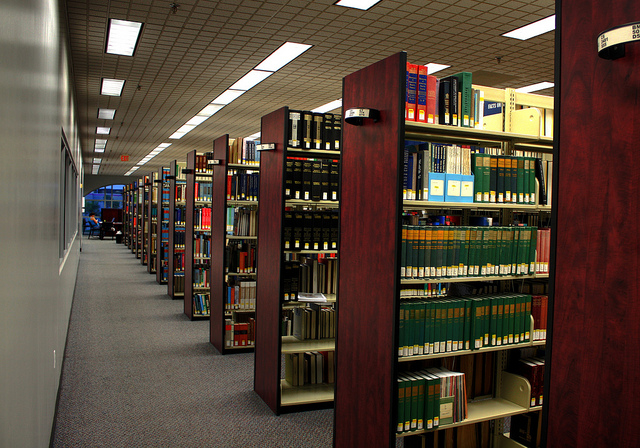
A library collection’s life expectancy is most dependent on its environmental conditions. When conditions are sub-par, damage generally occurs slowly, making it easy to go unnoticed. One of the most common forms of damage is mold growth, which first becomes apparent when a collection gains a musty smell. Because cellulose-based materials are vulnerable to several types of mold, humidity control for libraries is an essential step to maintaining an ideal environment. By knowing which environmental factors are crucial to preserving collections, you can take steps to ensure they are within acceptable ranges.

Read